JPL presses
Our accessories.
JPL presses
Our accessories.

Custom accessory
Read more
JPL Adapter Ø 40mm for 10 or 15 tons presses
Read more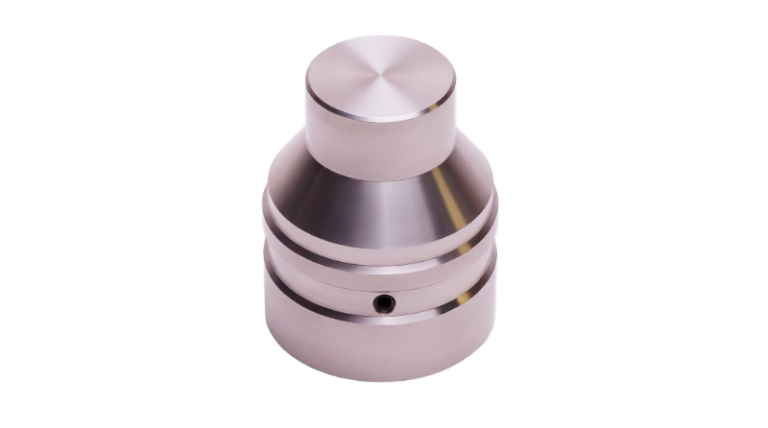
JPL Adapter Ø 50mm for 25 tons press
Read more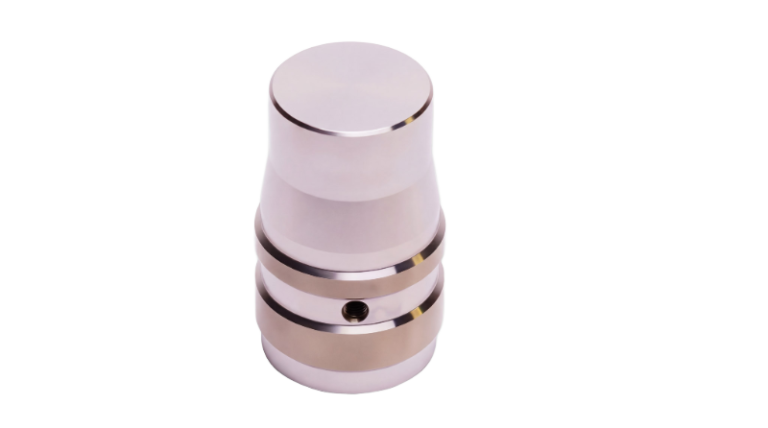
JPL Adapter Ø 50mm for 10 or 15 tons presses
Read more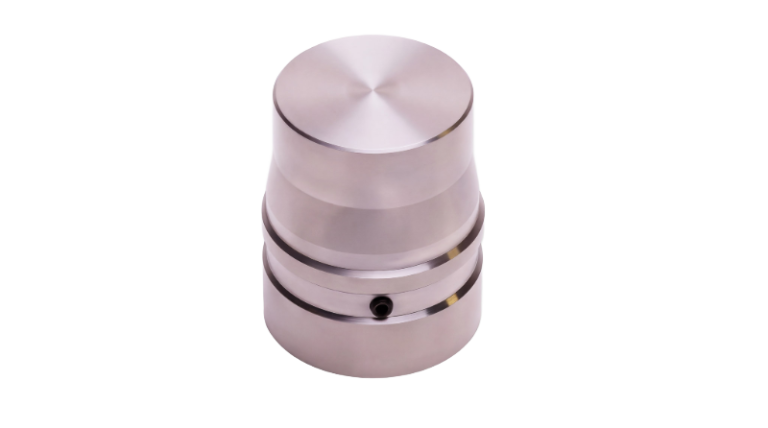
JPL Adapter Ø 70mm for 25 tons press
Read more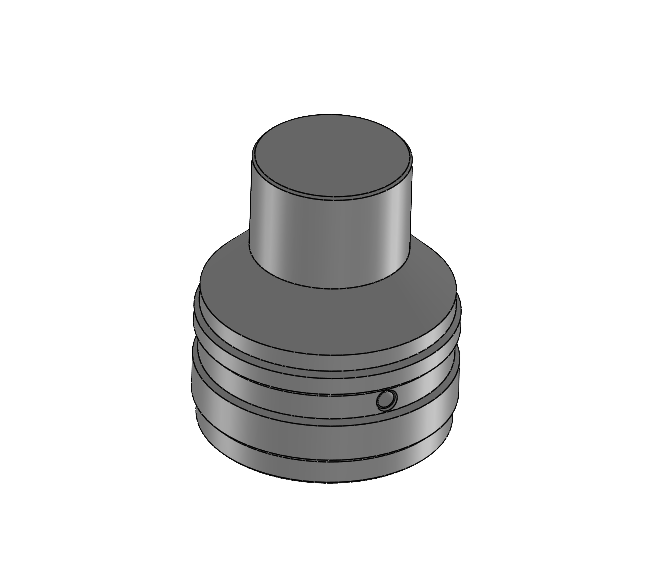
JPL adapter ø60mm for 40 tons press
Read more
JPL adapter ø80mm for 40 tons press
Read more
Press pin adapter
Read more
JPL Press pins set
Read more
Composition of edge knife
Read more
JPL Edge knife
Read more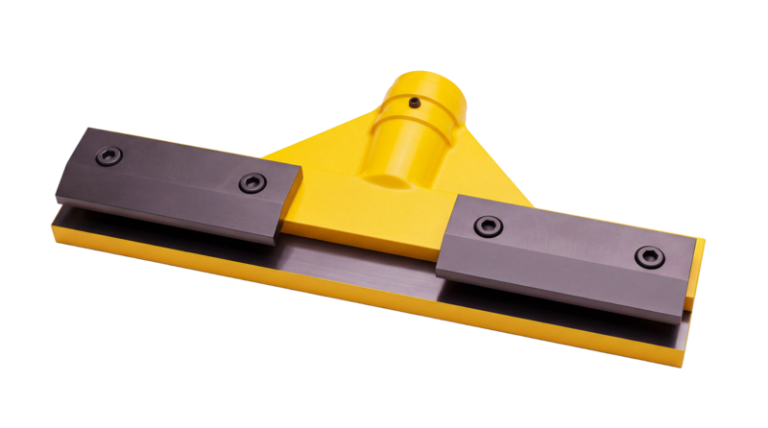
Edge knife pickup adapter
Read more
X- Die 16,22,35,50 mm 85° L=415mm
Read more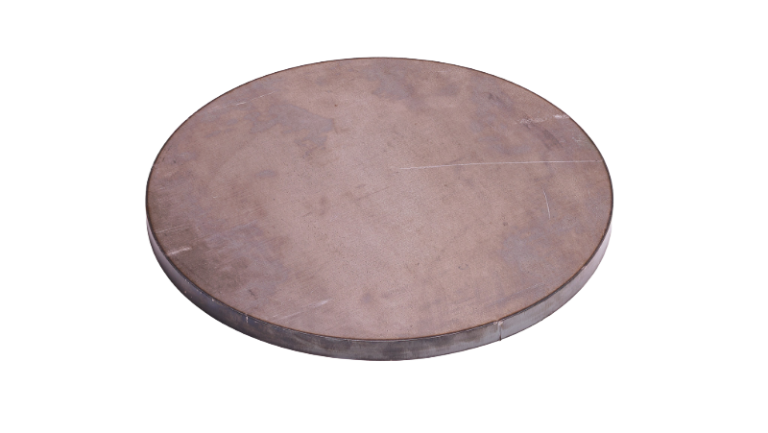
Steel disc Ø 300 x 15 mm
Read more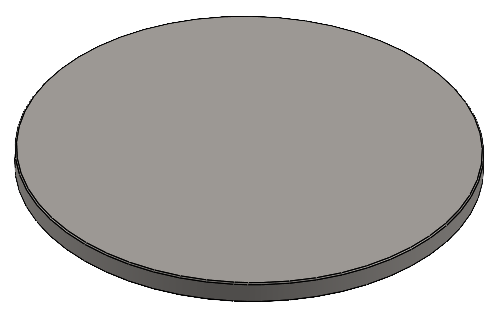
Stainless steel disc Ø 300 x 15 mm
Read more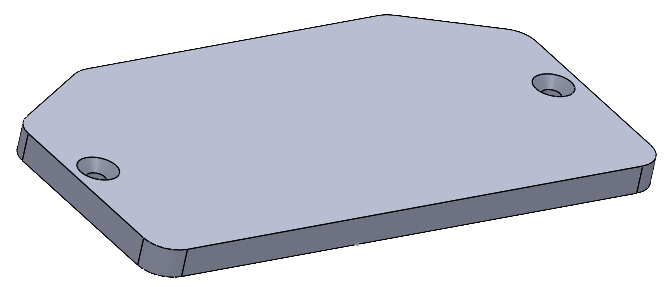
Support table 20mm for C150-100kN
Read more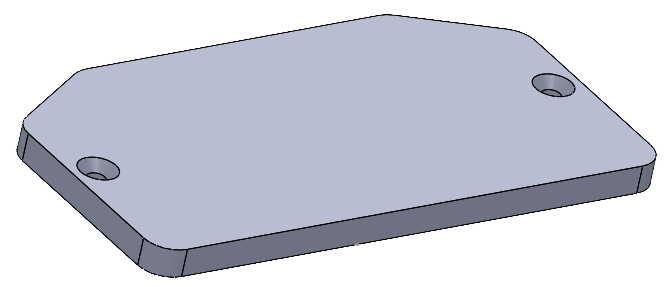
Support table 25mm for C250-150kN
Read more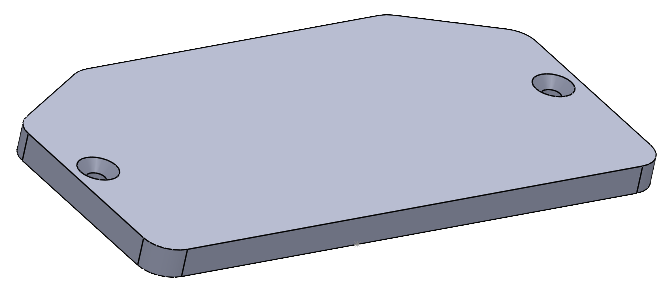
Support table 25mm for C300-250kN
Read more
Digital pressure gauge
Read moreJPL presses
Specialists in Custom Press Solutions
Do you have specific wishes or requirements? In addition to the standard versions, JPL Presses also offers so-called specials. These specials are developed on commission for and with the customer. Because the engineering, hydraulics, control technology, and manufacturing of the presses are managed in-house, a complete product can be realized with short lines of communication.

FAQ
Frequently Asked Questions.
Get quick insight into everything you need to know about our products, custom solutions, and service.
What is a hydraulic press?
A hydraulic press is a machine that generates force through pressure in a fluid, usually oil. This pressure is converted via a cylinder into a controlled downward movement, allowing you to press, shape, or assemble materials. This makes the machine suitable for a wide range of applications where accuracy and power are required.
What do you use a hydraulic press for?
A hydraulic press is used to form, assemble, align, or personalize materials with controlled force. Think of pressing bearings in and out, installing bushings, setting strip material, or cutting a keyway. Because the force can be precisely dosed, you work safely and precisely, even with delicate or specialized applications.
Why is oil usually used in a hydraulic press and not water?
Oil lubricates the system components and prevents wear, whereas water does not and can cause corrosion. Additionally, oil is less compressible, allowing the press to operate more accurately and stably. Oil can also withstand higher temperatures, which improves system reliability.
What is the strongest hydraulic press?
Hydraulic presses come in a wide range of tonnages, from compact workshop presses to industrial systems of thousands of tons. The strongest presses are used in heavy industry and can deliver more than 50,000 tons of force. For most applications, this is not necessary; JPL focuses on compact and precise presses that fit your work perfectly.
What different types of press machines are there?
There are various types of presses, including hydraulic presses, pneumatic presses, and mechanical eccentric presses. Within the hydraulic variants, there are C-frame presses, H-frame presses, and straightening presses, among others. Each type has its own advantages, depending on the required force, accuracy, and available space in your workshop.
Do you have another question?
We will contact you as soon as possible